Briefing 01
A picture can signal urgency without proving cause
Expressions, movement and framing can make an image feel decisive. That emotional impact matters, but it does not replace corroboration or reporting.
Headlines and still images shape first impressions quickly. This publication is built around the slower work of explanation: what is visible, what is missing and what responsible reporting adds.
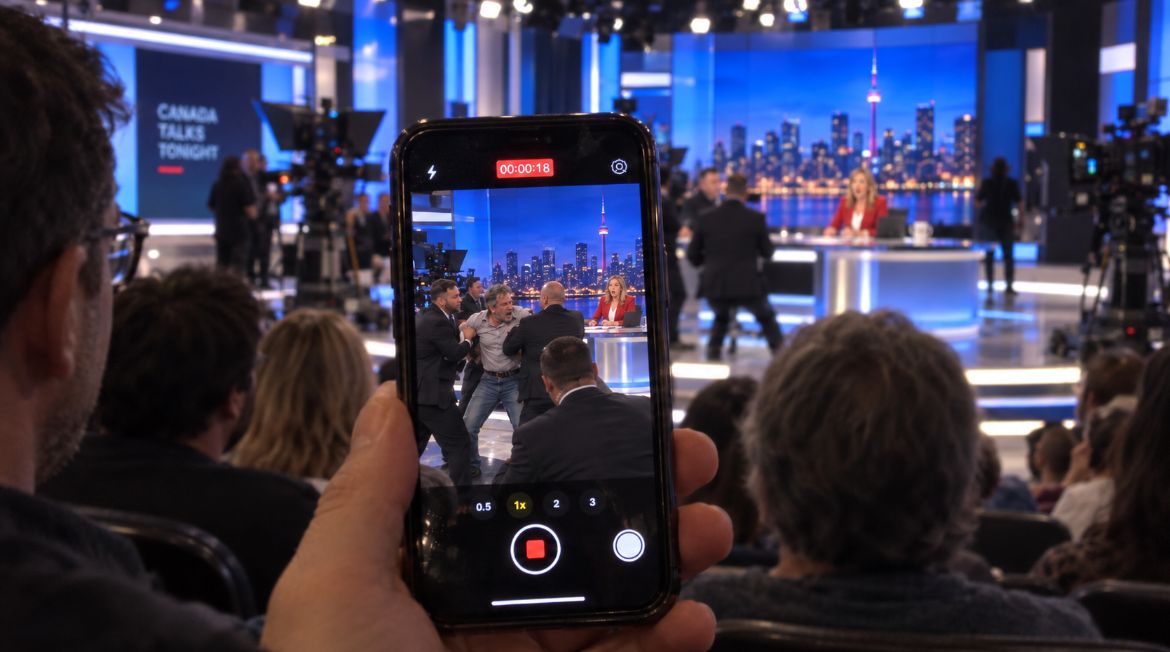
Each article on The Context Desk separates what is directly visible in an image from what requires reporting, technical explanation or outside confirmation. That distinction helps readers understand both media craft and media limits.
The supplied photographs on this site show studio environments, camera positions and audience perspectives. They support articles about production, framing, interpretation and the workings of live media spaces.
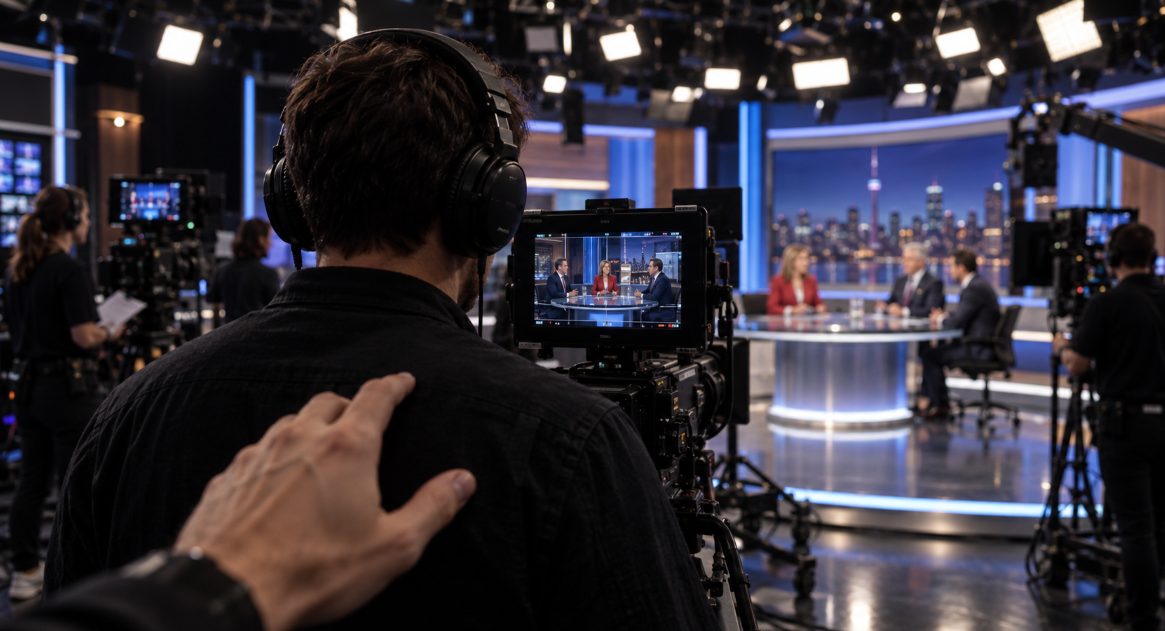
Expressions, movement and framing can make an image feel decisive. That emotional impact matters, but it does not replace corroboration or reporting.
Assignment meetings, scripts, copy editing, rundown changes and final checks all support a viewer-facing product that is clearer and less error-prone.
Readers can judge material better when a publication states whether an image was supplied, illustrative, editorially selected or independently verified.
The most useful follow-up coverage adds interviews, timelines, clarifications and records of what changed. It turns a dramatic moment into something understandable.